Architecture in Durban
Architecture in Durban reflects the city's coastal identity, subtropical climate and cultural diversity. As one of South Africa's major port cities, Durban combines historic colonial buildings, modern commercial developments and contemporary beachfront homes into a unique architectural landscape.
From Umhlanga's luxury residential estates to commercial hubs in the Durban CBD and industrial developments in Pinetown, architecture in Durban is shaped by climate, function and long-term durability.
Durban's Coastal Influence on Design
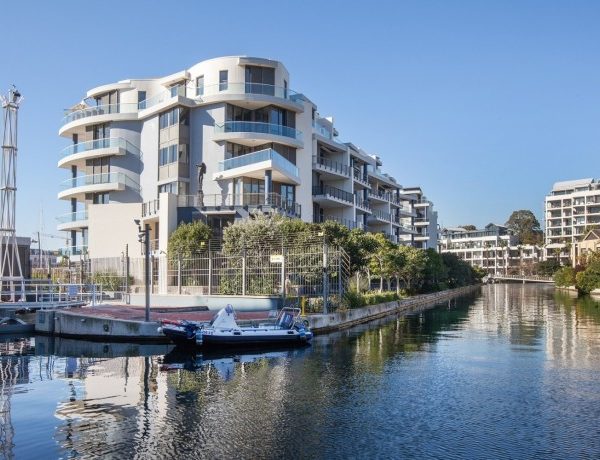
Durban's warm, humid climate and proximity to the Indian Ocean significantly influence building design. Architects must consider ventilation, corrosion resistance and sun control in nearly every project.
Common architectural responses include:
- Large overhangs and shaded verandas
- Cross-ventilation and open-plan layouts
- Use of durable, moisture-resistant materials
- Elevated structures in certain coastal areas
- Indoor-outdoor living spaces
These design principles ensure buildings remain comfortable, energy-efficient and structurally resilient in Durban's coastal conditions.
Residential Architecture in Durban
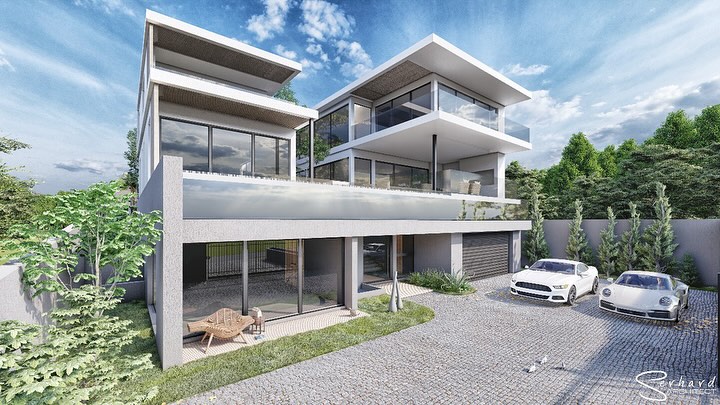
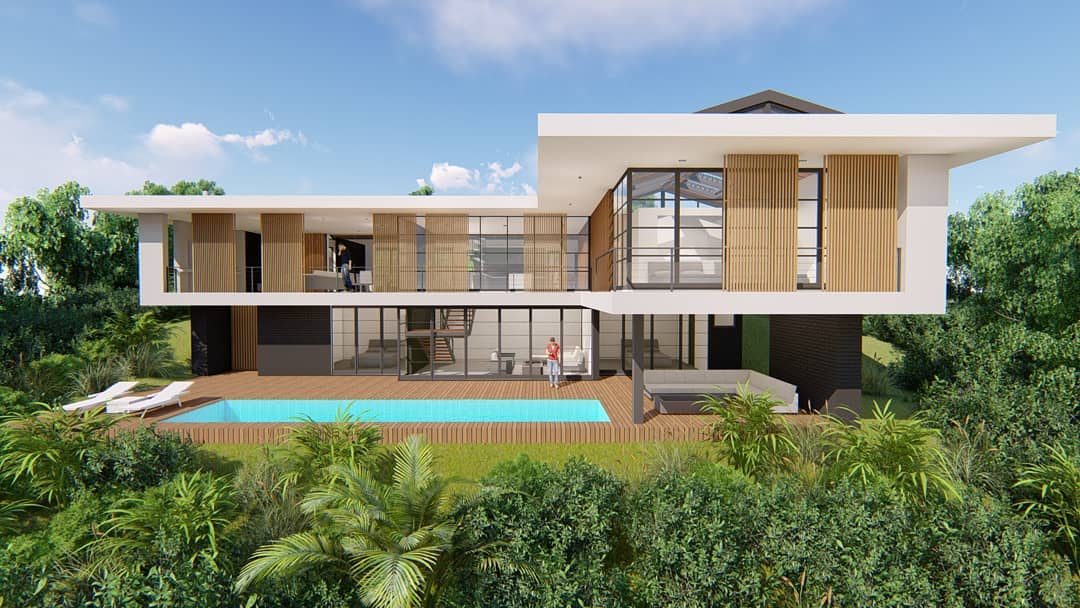
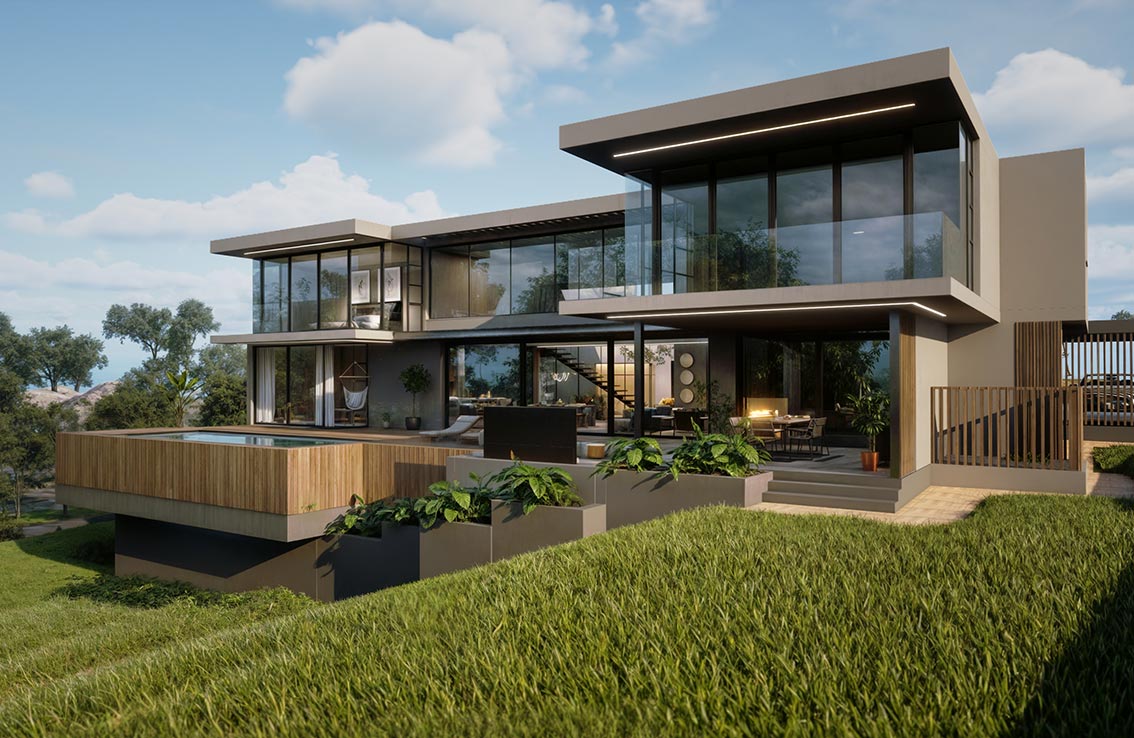
Residential architecture in Durban ranges from heritage homes in Berea to contemporary beachfront properties in Umhlanga and Ballito. Many homeowners prioritise natural light, ocean views and seamless transitions between interior and exterior spaces.
Modern Durban homes often incorporate minimalist design, natural stone finishes, timber accents and expansive glazing to capture views while maintaining privacy.
Security considerations, estate living and gated developments have also influenced recent residential design trends.
Commercial and Industrial Architecture
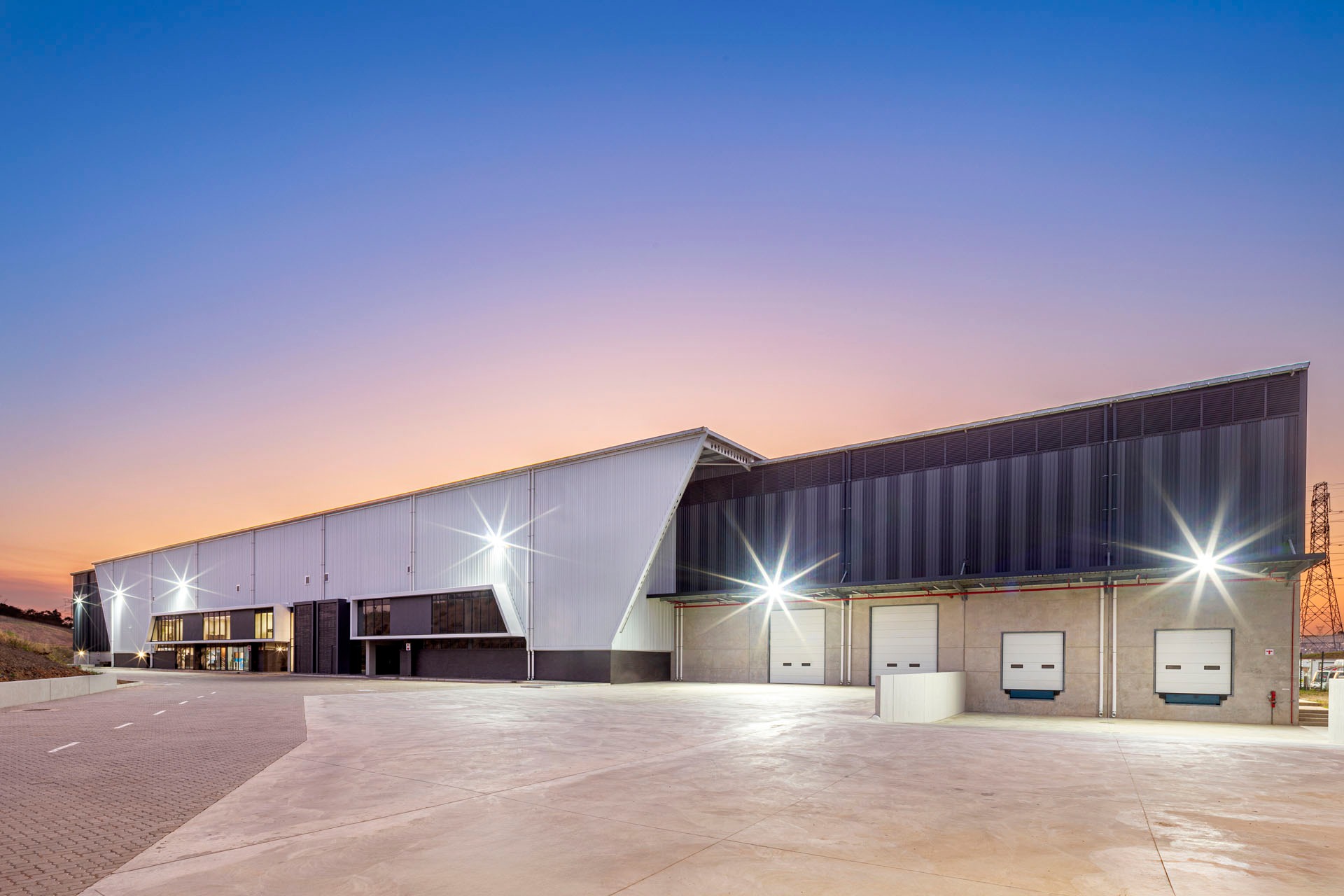
As a key logistics and trade hub, Durban's architecture includes warehouses, manufacturing facilities and port-related infrastructure. These projects focus heavily on efficiency, structural integrity and operational flow.
Commercial architecture in areas such as Umhlanga Ridge and La Lucia blends modern office design with hospitality and retail spaces. Mixed-use developments are increasingly common, combining residential, office and leisure components within a single precinct.
Heritage and Cultural Influence
Durban's architecture is also influenced by its diverse cultural heritage. Victorian-era buildings, Art Deco structures and traditional colonial designs can still be seen throughout the city.
Preservation of historic buildings remains important, particularly in older neighbourhoods where character and architectural integrity contribute to property value and identity.
Sustainable Architecture in Durban
Sustainability is becoming a key focus in Durban's construction industry. With increasing energy costs and environmental awareness, architects are integrating eco-conscious solutions such as:
- Solar energy systems
- Rainwater harvesting
- Energy-efficient glazing
- Natural ventilation strategies
- Climate-responsive orientation
Designing for durability and reduced maintenance is especially important in coastal environments where salt air can accelerate wear and corrosion.
Choosing an Architect in Durban
When planning a building project in Durban, it is important to work with an architect who understands local building regulations, municipal processes and environmental conditions.
Consider the following when selecting a professional:
- Experience with coastal and humid climates
- Strong portfolio of residential or commercial projects
- Knowledge of local municipal submission processes
- Understanding of sustainable building practices
- Clear communication and project management approach
Architecture in Durban reflects a balance between climate responsiveness, cultural identity and modern development. Whether designing a luxury coastal home, commercial office block or industrial facility, Durban architects must consider both environmental conditions and long-term performance.
With thoughtful planning and the right professional guidance, architectural projects in Durban can achieve both aesthetic appeal and structural resilience - creating spaces that thrive in a coastal setting.